Introducing the Key Benefits and Uses of Heat Recovery Ventilation in Sustainable Design
Heat Recovery Ventilation (HRV) systems play an essential function in lasting design. They help with a continual exchange of stagnant interior air with fresh outdoor air, greatly improving interior air quality. Furthermore, HRVs add to energy performance by reclaiming warmth from exhausted air, which can reduce energy prices. Comprehending the complex benefits and applications of HRVs exposes their significance in contemporary architecture. What various other advantages do these systems offer in the pursuit of sustainability?
Understanding Heat Recovery Ventilation Equipments
Heat recovery ventilation (HRV) systems are designed to improve interior air quality while reducing energy loss. These systems make use of a mechanical ventilation method to exchange stagnant indoor air with fresh outside air, making certain a constant supply of tidy air. By capturing warmth from the exhaust air, HRVs prerequisite incoming air, lowering the need on home heating and cooling systems. This process not only enhances thermal convenience yet additionally adds to energy performance in property and business structures. In addition, HRV systems help manage humidity degrees and reduce indoor toxins, advertising a healthier living atmosphere. Their critical implementation is essential for achieving lasting style objectives, as they use a balance in between energy conservation and owner health.
Just How HRV Solution Job
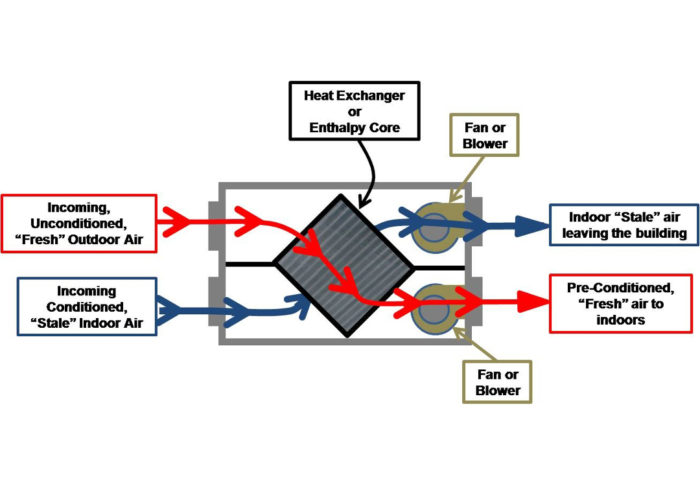
While many may recognize with air flow systems, understanding how warmth recovery ventilation (HRV) systems run is essential for valuing their benefits. HRV systems function by exchanging stagnant interior air with fresh outdoor air while transferring heat in between the 2 streams. This procedure occurs in a heat exchanger, where warmth from the outgoing air warms the incoming air during cooler months, decreasing energy loss. Conversely, in warmer months, the system can cool down inbound air utilizing the cooler outward bound air. HRVs are furnished with fans to facilitate airflow and filters to get rid of particulates, making sure a constant, well balanced air flow procedure. This ingenious layout not only enhances power efficiency however additionally contributes to maintaining a comfortable indoor environment.
Enhancing Indoor Air Quality
Interior air quality can significantly impact health and wellness and well-being, making effective air flow important in contemporary homes. Heat Recovery Ventilation (HRV) systems play a vital duty in keeping interior air top quality by constantly trading stagnant indoor air with fresh outdoor air. This procedure not just lowers air-borne toxins yet additionally reduces moisture degrees, which can lead to mold and mildew development and respiratory problems. HRV systems filter inbound air, getting rid of allergens and particulates, thereby supplying a much healthier living environment. In addition, these systems aid eliminate odors and unstable organic substances (VOCs) commonly discovered in home products. By making sure a consistent flow of tidy air, HRV systems add to a general better interior environment, promoting convenience and health for owners.
Energy Performance and Price Savings
Energy efficiency stands apart as a substantial advantage of Heat Recovery Ventilation (HRV) systems. By capturing and reusing the warm from worn down interior air, HRVs minimize the energy needed for home heating inbound fresh air, leading to lowered energy usage. This performance converts into reduced energy costs, using significant price financial savings for house owners and companies alike. Additionally, HRV systems usually get energy efficiency motivations and rebates, further boosting their economic charm. With time, the initial financial investment in HRV innovation can lead to a beneficial return on financial investment via reduced power expenditures. As a result, the combination of HRV systems not just advertises lasting layout but also offers a functional remedy for accomplishing long-term power financial savings and monetary benefits.
Environmental Advantages of HRV
A wide variety of ecological benefits develops from the application of Heat Recovery Ventilation (HRV) systems. By successfully moving heat from exhaust air to inbound fresh air, HRVs significantly reduce the power needed for heating and cooling spaces. This energy efficiency converts to lower greenhouse gas exhausts, adding to a decrease in the overall carbon footprint of buildings. In addition, HRV systems enhance indoor air top quality by continuously circulating fresh air, consequently lowering the concentration of indoor toxins and irritants. Additionally, the reduction in energy intake aids in conserving all-natural sources, making HRVs a vital component of sustainable design. In general, the ecological advantages of HRVs play a vital duty in promoting a healthier earth and cultivating environmentally friendly structure techniques.
Versatile Applications in Modern Style
Heat recovery ventilation (HRV) systems are progressively being incorporated into both domestic and business building projects. In property settings, HRVs enhance interior air top quality while optimizing power effectiveness. On the other hand, in business areas, these systems maximize ventilation techniques, demonstrating their adaptability in modern building applications.
Residential Projects Assimilation
While contemporary architecture increasingly stresses sustainability, the assimilation of warmth recovery ventilation systems in domestic jobs has become a sensible option for improving indoor air quality and energy efficiency. These systems effectively move warmth from exhaust air to inbound fresh air, lessening power loss and decreasing heating or cooling demands. In brand-new builds and retrofits alike, warm recuperation ventilation can be perfectly incorporated, providing house owners with a healthier living environment while lowering energy costs. Furthermore, with increasing recognition of ecological impacts, even more architects and home builders are acknowledging the lasting advantages of these systems. As an outcome, warm healing ventilation has actually come to be an important component of sustainable residential layout, showcasing convenience and commitment to green techniques.
Commercial Rooms Optimization
As modern-day industrial spaces evolve to fulfill the needs of sustainability and efficiency, the implementation of heat healing air flow systems arises as an essential technique for maximizing indoor atmospheres. These systems facilitate the exchange of stale interior air with fresh exterior air while reclaiming heat, considerably minimizing energy usage. This not just boosts convenience for residents however additionally aids in reducing operational expenses. Flexible applications can be observed in workplaces, retail areas, and universities, where air high quality and temperature control are vital. In addition, incorporating heat recovery air flow aligns with green structure qualifications, additionally promoting environmental responsibility. Inevitably, adopting such systems in industrial architecture not just adds to sustainability goals but likewise promotes much healthier, more productive rooms for individuals.
Incorporating HRV Into Sustainable Style Practices
Incorporating warm healing ventilation (HRV) systems right into sustainable layout techniques uses considerable advantages in energy efficiency and indoor air top quality. By making use of HRV, designers can create affordable options that not only minimize energy consumption however also improve the overall convenience of indoor environments. This alignment with sustainability goals placements HRV as a vital component in modern architectural approaches.
Energy Efficiency Improvement
By including heat recuperation ventilation (HRV) systems right into sustainable style methods, engineers and home builders can anchor significantly enhance power effectiveness in modern building and constructions. HRV systems function by catching heat from outbound stale air and transferring it to inbound fresh air, reducing the energy needed for heating or cooling down indoor spaces. This process not only lowers reliance on standard cooling and heating systems however likewise lowers general power usage. On top of that, HRV systems can help maintain a constant interior temperature, lowering peak energy needs. By integrating these systems, structures can achieve significant decreases in utility prices and carbon impacts, straightening with sustainability goals. Ultimately, HRV technology stands for a useful remedy for enhancing power performance in the built setting, advertising more liable resource use.
Indoor Air Top Quality Renovation
Just how can heat recuperation air flow (HRV) systems add to exceptional interior air high quality in modern buildings? HRV systems successfully exchange stagnant indoor air with fresh outside air while recuperating warm energy, reducing temperature variations. This procedure lowers the focus of interior pollutants, such as volatile natural compounds (VOCs), irritants, and dampness, which can wear away air top quality and impact resident health and wellness. By preserving perfect moisture levels and making sure a constant supply of tidy air, HRVs assist produce a much healthier interior environment. Additionally, these systems can be integrated into sustainable design practices, advertising energy effectiveness along with boosted air quality. HRV Heat Recovery Ventilation. Consequently, HRV modern technology plays a crucial duty in progressing general occupant comfort and health in modern building styles
Cost-Effective Layout Solutions
Frequently Asked Concerns
What Upkeep Is Needed for Heat Recovery Ventilation Equipments?

Maintenance for warm recuperation air flow systems commonly entails normal filter substitutes, cleansing of heat exchangers, evaluation of followers and ducts, and making certain appropriate drainage. These tasks aid preserve efficiency and prolong the system's lifespan with time.
Can HRV Equipments Be Installed in Existing Structures?
Heat recovery ventilation systems can without a doubt be set up in existing structures. HRV Heat Recovery Ventilation. Retrofitting requires cautious preparation and analysis of the building's design, ensuring compatibility with existing systems while maximizing energy performance and indoor air high quality
How Do HRV Solution Effect Noise Degrees Indoors?
HRV systems can affect indoor noise degrees by presenting noise from outside sources through air flow. Top notch setups usually include sound-dampening functions, lessening noise influence while providing effective air exchange and preserving comfort inside.
Are There Any Kind Of Disadvantages to Utilizing HRV Systems?
The downsides of making use of HRV systems include potential high preliminary expenses, maintenance obstacles, and the possibility of decreased indoor air quality if filters are not routinely altered, which could lead to concerns with moisture degrees.
Just how Do I Choose the Right HRV System for My Requirements?
Choosing the appropriate heat healing ventilation system includes assessing certain demands, such as building size, climate, and energy performance goals. In addition, examining system features, installation requirements, and upkeep factors to consider is crucial for peak performance and complete satisfaction.